Blog
The Role of Terroir: How Soil, Climate, and Geography Shape Your Wine

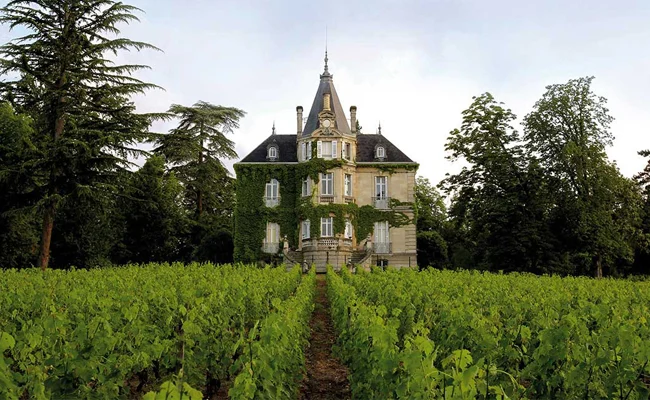
The Role of Terroir in Wine Flavor Profiles
For wine lovers, the term “terroir” is more than just a fancy French word—it’s a fundamental concept that defines the uniqueness of each bottle. But what exactly does terroir mean, and how does it affect the wine in your glass?
In this blog, we’ll explore the role of terroir—the unique combination of soil, climate, and geography—and how it shapes the flavour profiles and characteristics of wines from different regions. Understanding terroir not only deepens your appreciation for wine but also provides insight into why wines from the same grape variety can taste so different depending on where they’re grown.
What is Terroir?
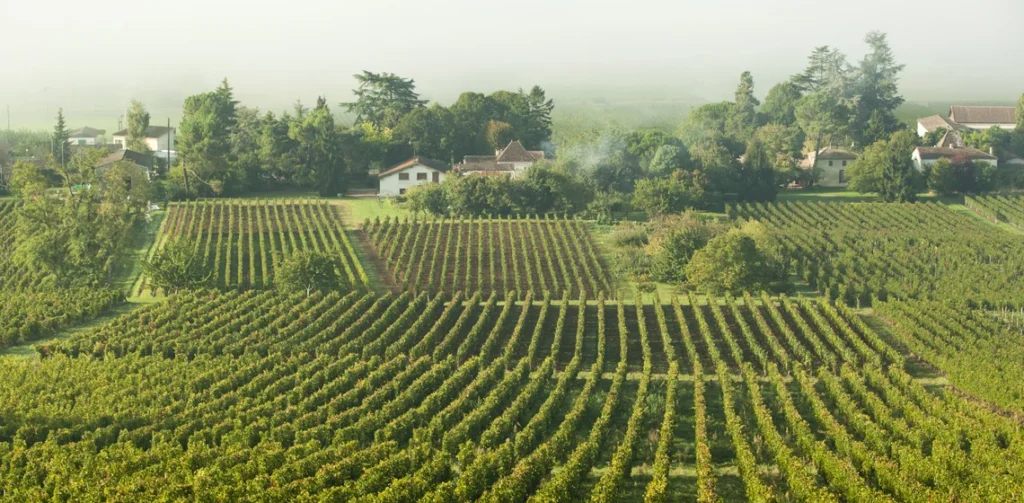
The term terroir (pronounced “ter-wahr”) comes from the French word “terre,” meaning land or earth. In the context of wine, it refers to the environmental factors that influence the growth of grapevines and, ultimately, the taste and quality of the wine. Terroir encompasses:
- Soil: The type of soil in which the vines grow.
- Climate: The weather patterns, temperature, and seasonal conditions of the vineyard.
- Geography: The vineyard’s location, altitude, and proximity to features like rivers, mountains, or oceans.
In essence, terroir is nature’s fingerprint on wine. It’s what makes a Pinot Noir from Burgundy taste different from a Pinot Noir from Oregon, even if the same grape variety is used.
How Soil Affects Wine
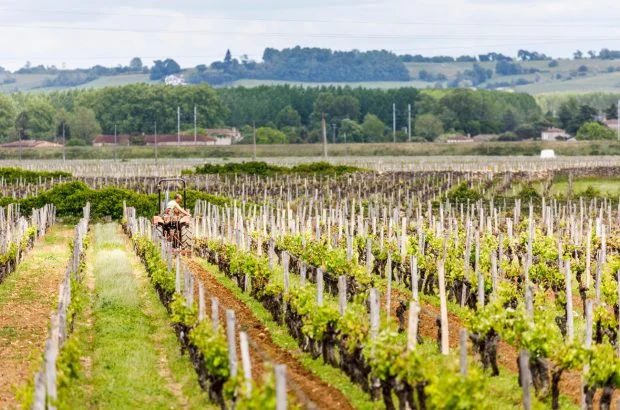
Soil is one of the most crucial elements of terroir, influencing both the growth of the vines and the flavour profile of the grapes. Different soil types affect how vines access nutrients and water, which directly impacts the grapes’ ripeness and concentration.
- Limestone Soils:
- Common in regions like Burgundy and Champagne.
- Produces wines with crisp acidity and minerality, making them elegant and refined.
- Gravel Soils:
- Found in Médoc (Bordeaux), where iconic Cabernet Sauvignon wines are grown.
- Drains water well, forcing vines to dig deeper for nutrients, resulting in structured, concentrated wines.
- Volcanic Soils:
- Seen in regions like Etna in Sicily and Santorini in Greece.
- Creates wines with unique minerality and smokiness, often highly aromatic.
- Clay Soils:
- Present in areas like Pomerol, where Merlot thrives.
- Retains water, which helps produce fuller-bodied wines with rich, ripe fruit flavours.
Each type of soil brings its own nuances to the wine, contributing to its complexity and character.
Climate and Its Influence on Wine
The climate of a vineyard has a profound effect on how grapes ripen, influencing the balance between sugar and acidity and, ultimately, the style of the wine.
- Cool Climates:
- Examples: Champagne, Mosel, and Tasmania.
- Produce wines with higher acidity, lower alcohol, and fresh fruit flavours like green apple, citrus, and cranberry.
- Often ideal for sparkling wines and lighter styles of white and red wines.
- Warm Climates:
- Examples: Napa Valley, Barossa Valley, and Southern Italy.
- Produce wines with riper, bolder fruit flavours like blackberry, plum, and tropical fruit, often with higher alcohol levels.
- Ideal for full-bodied reds like Shiraz and rich whites like Viognier.
- Microclimates:
- Some vineyards experience unique weather conditions due to their location, creating microclimates. For instance, vineyards near rivers or oceans may benefit from cooling breezes that slow grape ripening, enhancing complexity.
Geography: Altitude and Aspect
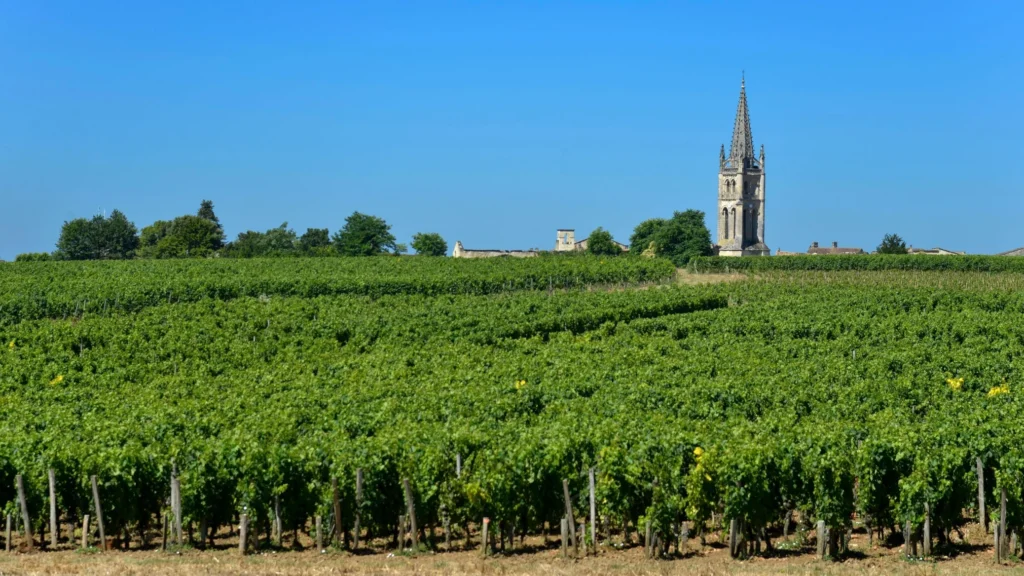
Where a vineyard is located can make all the difference. Factors like altitude, slope, and proximity to natural features contribute to a wine’s personality.
- Altitude:
- Higher-altitude vineyards, like those in Argentina’s Mendoza, experience cooler nights, which helps preserve acidity while developing ripe fruit flavours.
- Wines from higher altitudes are often more vibrant and aromatic.
- Aspect:
- The direction a vineyard faces (e.g., south-facing slopes) determines how much sunlight the vines receive.
- For example, the steep slopes of the Mosel Valley in Germany ensure maximum sunlight, critical for ripening Riesling grapes.
- Proximity to Water:
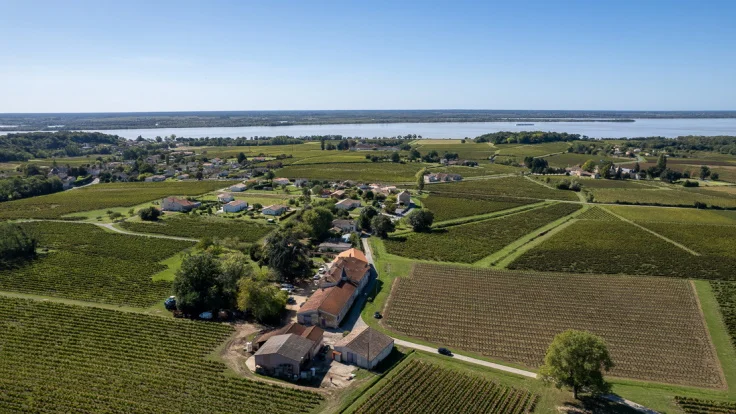
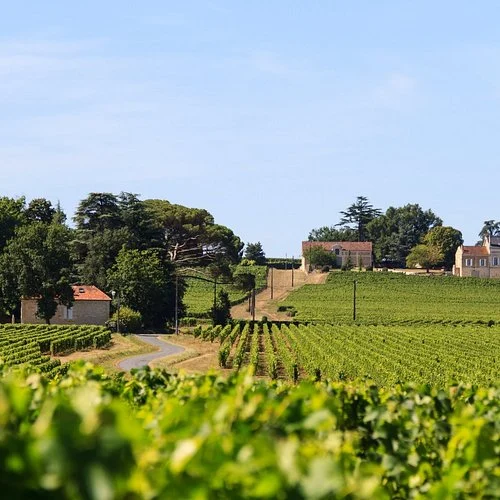
- Rivers and oceans help regulate temperatures, as seen in Bordeaux, where the Gironde River plays a vital role in shaping the region’s microclimates.
How Terroir Creates Distinct Wine Styles
Terroir is why wines from different regions—even those made from the same grape variety—can taste so distinct. Let’s take Merlot, for example:
- Pomerol (Right Bank Bordeaux): Grown on clay soils, Merlot here is rich, velvety, and often shows notes of plum, truffle, and chocolate.
- Napa Valley: With its warm climate, Merlot from Napa is fruitier and bolder, often with flavours of ripe blackberries and vanilla from oak aging.
The influence of terroir helps wine drinkers appreciate the diversity of wine and why certain regions have earned their reputation for excellence.
Why Understanding Terroir Matters
Understanding terroir deepens your appreciation for wine and helps you make informed purchasing decisions. When you know how soil, climate, and geography affect a wine’s flavour, you can better choose wines that match your preferences.
- If you love crisp, mineral-driven whites, seek out wines from regions with limestone soils.
- For bold, full-bodied reds, look to warm-climate regions with clay or gravel soils.
By exploring the role of terroir, you’ll also develop a greater appreciation for the craftsmanship that goes into every bottle.
Terroir is the essence of a wine’s identity. It tells the story of where the grapes were grown, how the vines interacted with the soil and climate, and how geography shaped the vineyard’s personality. At Crystle, we celebrate terroir by offering wines from regions around the world, each with its own unique expression. Whether you’re discovering the limestone-rich slopes of Burgundy or the clay-heavy soils of Pomerol, understanding terroir will elevate your wine journey.