Blog
Sauternes and Barsac: Bordeaux’s Golden Sweet Wines and Their Timeless Elegance

Sauternes and Barsac: Bordeaux’s Golden Sweet Wines and Their Timeless Elegance
Nestled in the heart of Bordeaux, the regions of Sauternes and Barsac produce some of the world’s most exquisite sweet wines. Known for their richness, complexity, and unparalleled aging potential, the wines from these regions are crafted using a unique process influenced by nature itself. These luxurious dessert wines, often referred to as “liquid gold,” are highly sought after by collectors and connoisseurs for their intensity, balance, and ability to age for decades.
The Geography and Terroir of Sauternes and Barsac
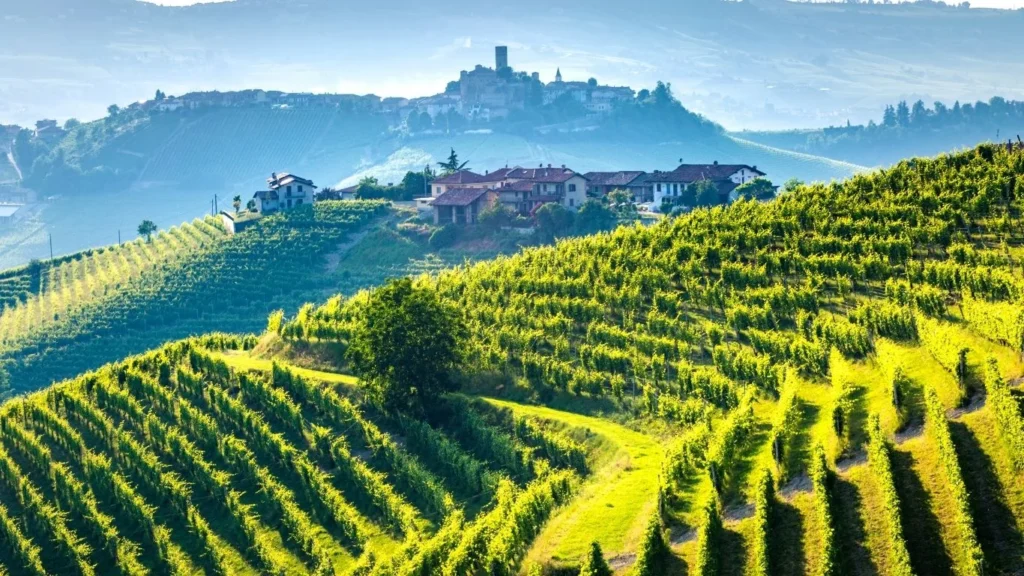
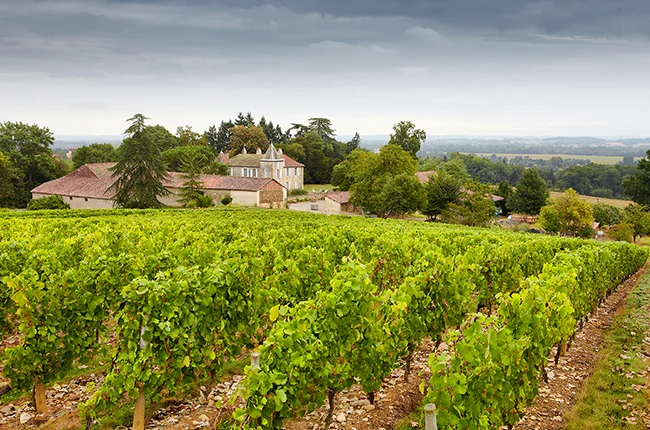
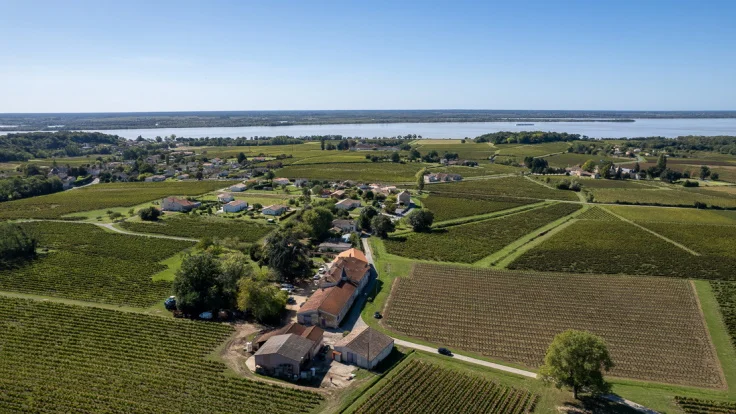
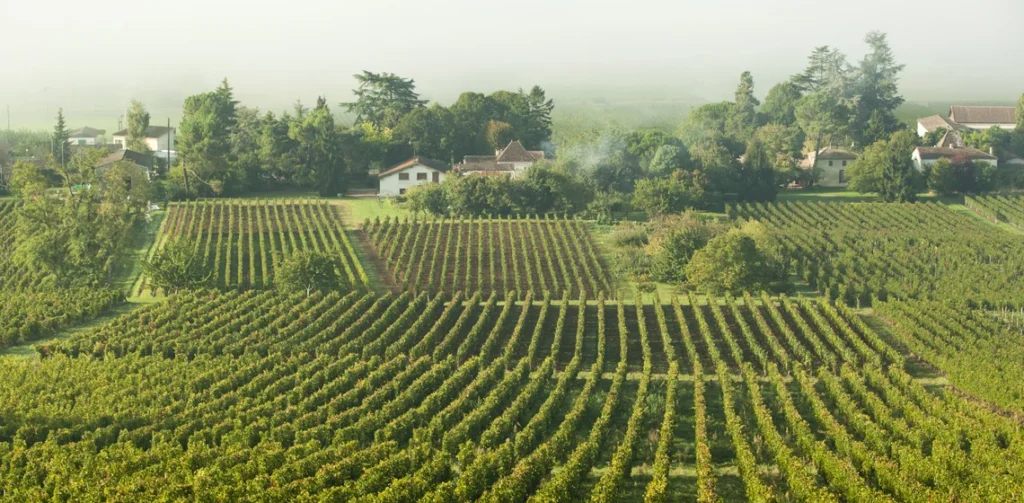
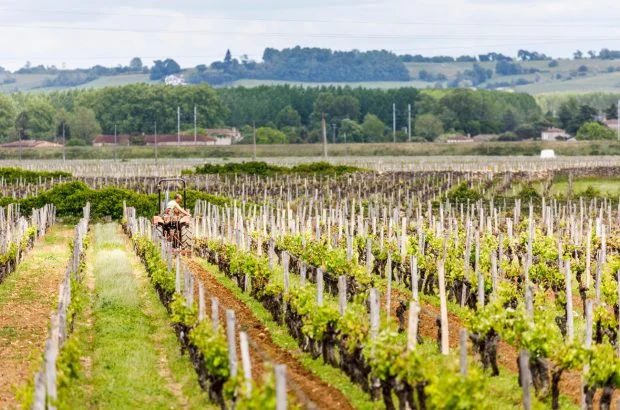
Located on the Left Bank of the Garonne River, south of Bordeaux, Sauternes and Barsac have a distinct microclimate that makes them ideal for producing sweet wines. Both regions benefit from the cool mist that rises from the Ciron River, particularly in autumn. This mist creates the perfect conditions for the development of Botrytis cinerea, commonly known as noble rot.
- Noble Rot: This beneficial fungus dehydrates the grapes, concentrating their sugars and flavors while imparting unique honeyed, floral, and nutty characteristics to the wine.
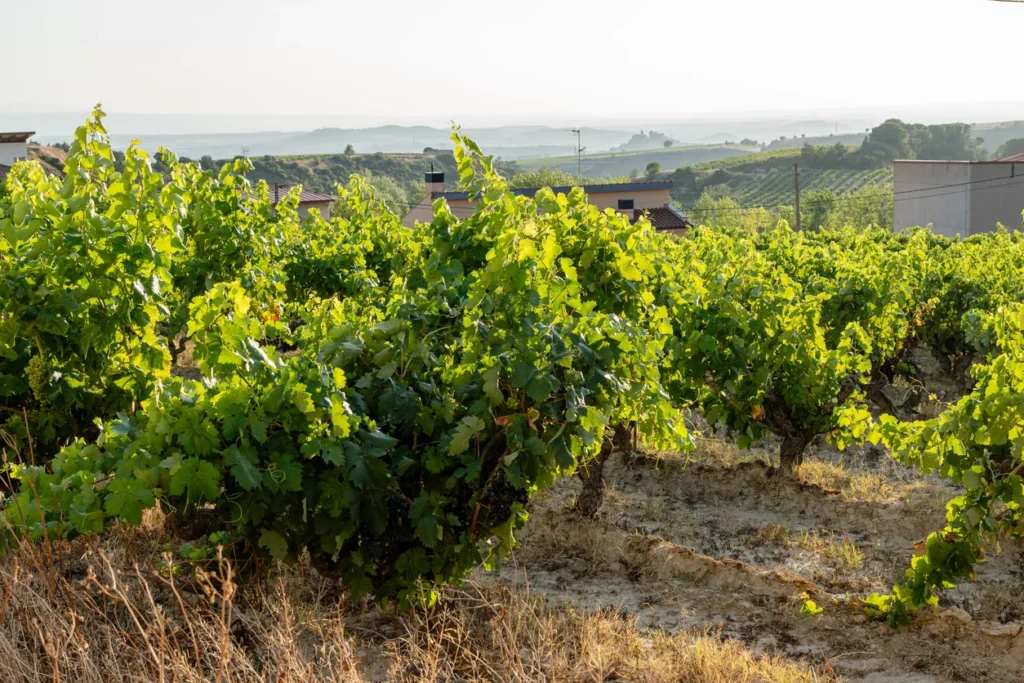
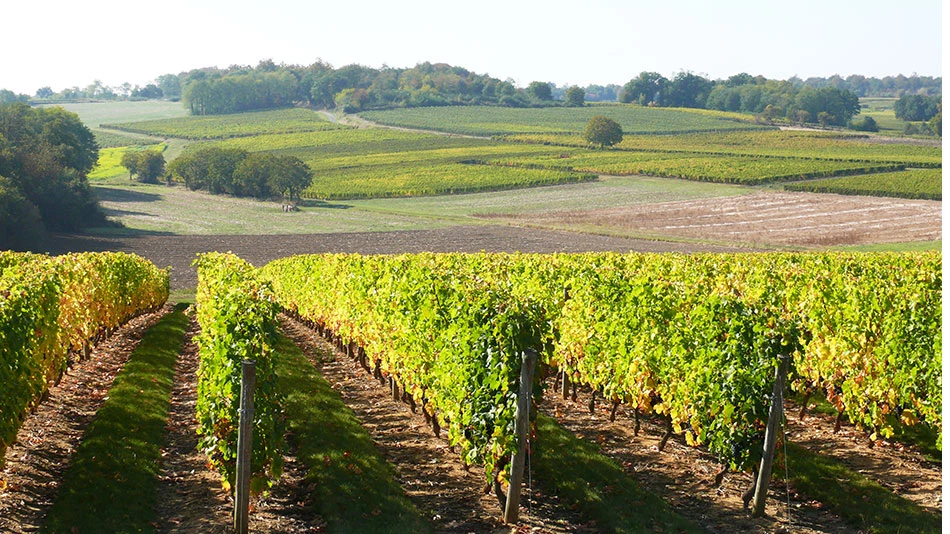
- Terroir: The soils in Sauternes and Barsac are a mix of gravel, limestone, and clay. These well-draining soils, combined with the alternating warm and cool conditions created by the river, promote the slow ripening of the grapes, essential for developing the rich flavors and complexity that define the wines of these regions.
While Sauternes is considered the more prestigious of the two, Barsac is equally notable, often producing slightly lighter wines with more freshness and finesse. Both regions are classified under the Sauternes AOC, but Barsac wines can be labeled as either Barsac AOC or Sauternes AOC.
Grape Varieties
The wines of Sauternes and Barsac are made primarily from three key grape varieties, each playing a crucial role in the final blend:
- Sémillon: The dominant grape variety, accounting for the majority of the blend. Sémillon’s thin skin makes it particularly susceptible to noble rot, resulting in rich, full-bodied wines with a creamy texture and notes of honey, apricot, and candied orange.
- Sauvignon Blanc: Adds acidity and freshness to balance the richness of Sémillon. It contributes bright citrus and tropical fruit flavors.
- Muscadelle: Used in smaller quantities, Muscadelle brings floral and aromatic complexity to the blend, adding notes of jasmine and white flowers.
The Winemaking Process
Producing Sauternes and Barsac wines is a labor-intensive process, heavily dependent on nature’s whims. The key to crafting these iconic sweet wines lies in the development of noble rot, which doesn’t occur every year and can vary from vineyard to vineyard.
- Harvest: The harvest in Sauternes and Barsac is done entirely by hand, with pickers passing through the vineyards multiple times (known as tries) to select only the grapes that have been properly affected by noble rot. This can extend the harvest over several weeks.
- Fermentation: After careful pressing, the juice is fermented at a low temperature to preserve the complex aromas. The fermentation process is often halted naturally by the high sugar content, leaving residual sugar in the wine.
- Aging: The wines are typically aged in oak barrels for 18 to 36 months, which imparts additional depth and complexity. The aging process allows the wine to integrate its sweetness with notes of vanilla, caramel, and toasted nuts.
Notable Estates in Sauternes and Barsac
Despite the small size of these regions, Sauternes and Barsac are home to some of the world’s most iconic sweet wine producers:
- Château d’Yquem: The undisputed king of Sauternes, Château d’Yquem is the only estate classified as Premier Cru Supérieur in the 1855 classification of Bordeaux wines. It produces wines of unmatched depth, richness, and aging potential, often lasting for over a century.
- Château Climens: Often referred to as the “Lord of Barsac,” Château Climens produces wines that are lighter and fresher than those of Sauternes but with incredible aromatic complexity and elegance.
- Château Suduiraut: Another top producer in Sauternes, known for its lush, honeyed wines with a perfect balance of sweetness and acidity.
- Château Coutet: One of Barsac’s oldest estates, Château Coutet creates wines of finesse and vibrant acidity, often described as lighter and more floral compared to the richer wines of Sauternes.
Wine Styles
The wines of Sauternes and Barsac are renowned for their intense flavors and complexity. The signature tasting notes of these wines often include:
- Honey and Apricot: These are the hallmark flavors, derived from the concentration of sugars and noble rot.
- Citrus and Candied Orange Peel: The natural acidity of Sauvignon Blanc adds a bright citrus edge, which balances the richness of the wine.
- Floral and Nutty Notes: With time, the wines develop secondary aromas of white flowers, almonds, and toasted nuts.
- Caramel and Vanilla: Aging in oak barrels contributes subtle notes of caramel, vanilla, and spice, enhancing the wine’s complexity.
Why Sauternes and Barsac Wines Are Special
- Unique Winemaking Process: The creation of Sauternes and Barsac wines depends on the natural phenomenon of noble rot, which adds unparalleled complexity to the wines.
- Aging Potential: These sweet wines are some of the longest-lived wines in the world. A bottle of Sauternes or Barsac can improve and evolve for decades, with top wines lasting over a century.
- Versatility: Though often enjoyed as dessert wines, Sauternes and Barsac pair beautifully with a variety of foods, from foie gras and blue cheese to spicy Asian dishes and rich desserts.
- Exclusivity: The labor-intensive production process and the reliance on perfect conditions make these wines rare and often produced in limited quantities, contributing to their exclusivity and prestige.
Collecting Sauternes and Barsac Wines
Sauternes and Barsac wines are highly collectible, not only for their rarity but also for their remarkable aging potential. While Château d’Yquem is the most famous and expensive, there are many other excellent producers offering wines that provide exceptional value and quality.
Notable Bottles at Crystle
At Crystle, we offer a curated selection of Sauternes and Barsac wines that exemplify the elegance and richness of this special region:
- Château d’Yquem: The ultimate expression of Sauternes, with unmatched depth, complexity, and aging potential.
- Château Climens: A top Barsac estate known for its finesse and aromatic complexity, perfect for those seeking a more delicate style of sweet wine.
- Château Suduiraut: A rich and opulent Sauternes, offering a perfect balance of sweetness and acidity.
Sauternes and Barsac stand as a testament to the art of winemaking, producing some of the world’s finest sweet wines through a combination of natural conditions and meticulous craftsmanship. These golden wines are a must-have for any collector or wine enthusiast, offering unparalleled richness, complexity, and longevity. At Crystle, we invite you to explore our selection of Sauternes and Barsac wines and discover the magic of these timeless treasures.