Blog
Demystifying Wine Terminology: An A-Z Glossary for Enthusiasts


Demystifying Wine Terminology: An A-Z Glossary for Enthusiasts
If you’ve ever read a wine label or listened to a sommelier describe a wine and felt lost in a sea of unfamiliar words, you’re not alone. The world of wine has its own language, and understanding it can seem daunting at first. But with the right knowledge, deciphering wine terminology can become second nature.
In this blog, we’ll walk you through an A-Z glossary of common wine terms, helping you decode wine descriptions, understand labels, and build confidence in your wine journey. Whether you’re new to wine or looking to refine your knowledge, this guide has you covered.
A-Z Glossary of Wine Terms
A – Acidity
- Refers to the natural acids in wine, giving it freshness and crispness. Wines with higher acidity often taste more vibrant and pair well with food.
B – Body
- The weight or fullness of a wine in your mouth. Wines can be light-bodied (e.g., Pinot Noir), medium-bodied (e.g., Merlot), or full-bodied (e.g., Cabernet Sauvignon).
C – Cuvée
- A term used to describe a specific blend or batch of wine. Often associated with sparkling wines but can apply to still wines as well.
D – Decanting
- The process of pouring wine into a decanter to separate it from sediment and allow it to aerate, which can enhance its aroma and flavour.
E – Estate Bottled
- Indicates that the wine was grown, produced, and bottled on the same property, often signaling greater control over quality.
F – Finish
- Refers to the aftertaste of the wine once you’ve swallowed. A long, lingering finish is often a hallmark of high-quality wine.
G – Grand Cru
- A term used in Burgundy and Champagne to designate the highest quality vineyard sites, often associated with exceptional wines.
H – Herbaceous
- A tasting term describing wines with notes of fresh herbs or green flavours, often found in Sauvignon Blanc or Cabernet Franc.
I – Intensity
- Describes the concentration and power of the wine’s aromas and flavours.
J – Jammy
- A term for wines with ripe, concentrated fruit flavours reminiscent of jam. Common in warmer climate reds like Zinfandel or Shiraz.
K – Kosher Wine
- Wine made in accordance with Jewish dietary laws. It’s produced under rabbinical supervision and is suitable for Passover when indicated.
L – Legs
- Refers to the streaks that form on the inside of a wine glass after swirling. They indicate the wine’s alcohol and sugar content but are not necessarily a measure of quality.
M – Malolactic Fermentation
- A secondary fermentation process that softens a wine’s acidity, often creating creamy, buttery flavours in whites like Chardonnay.
N – Nose
- A term used to describe the aroma or bouquet of a wine. The “nose” encompasses all the scents detected when smelling the wine.
O – Oaky
- Describes the flavour imparted by oak barrels, including notes of vanilla, toast, or smoke. Common in wines like Rioja or Napa Chardonnay.
P – Pétillant
- A French term meaning “lightly sparkling,” often used to describe gently fizzy wines.
Q – Quince
- A tasting note referring to the fruit flavour often found in white wines like Chenin Blanc or certain Rieslings.
R – Residual Sugar
- The natural sugar remaining in wine after fermentation. Wines with higher residual sugar taste sweeter, while dry wines have little to none.
S – Sommelier
- A trained wine professional, often found in fine dining establishments, who assists with wine selection and pairing.
T – Terroir
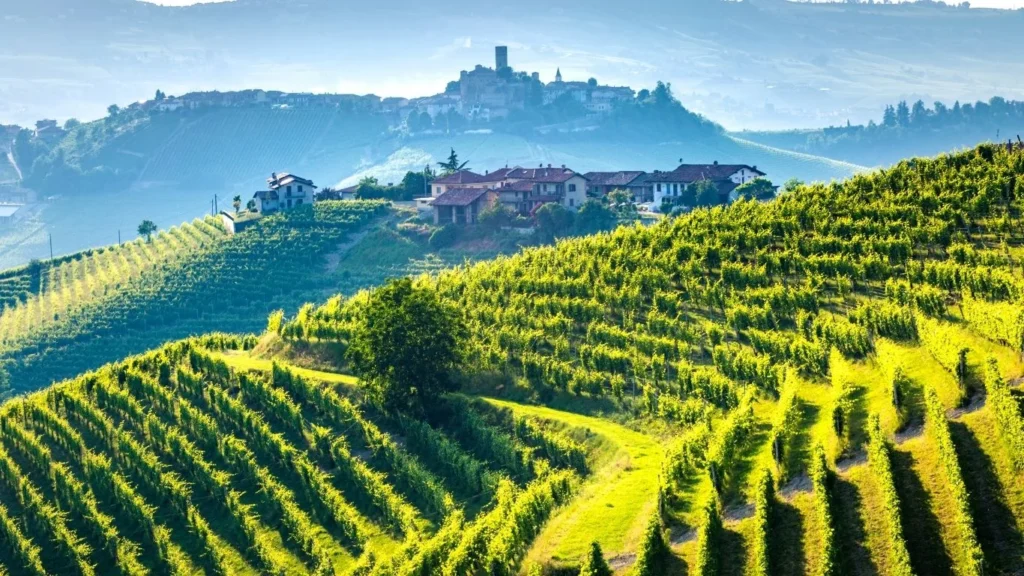
- The unique combination of soil, climate, and geography that influences a wine’s character and flavour profile.
U – Umami
- A savoury flavour often associated with foods that pair exceptionally well with wines, such as mushrooms or truffle.
V – Vintage
- The year in which the grapes were harvested. A “non-vintage” wine is made from grapes harvested in multiple years.
W – Weight
- Another term for the body of a wine, describing how “heavy” or “light” it feels in your mouth.
X – Xarel·lo
- A grape variety commonly used in Cava, Spain’s sparkling wine, known for its zesty acidity and citrus flavours.
Y – Yeast
- Essential to the fermentation process, yeast converts grape sugar into alcohol, creating wine. It can also impart subtle flavours, especially in sparkling wines.
Z – Zesty
- A term used to describe wines with lively acidity and vibrant citrus notes, often found in whites like Sauvignon Blanc or Riesling.
How Understanding Wine Terminology Empowers You
Decoding wine terminology opens up a world of possibilities:
- Make Confident Choices: You’ll know exactly what to look for on labels or in tasting notes to match your preferences.
- Improve Tasting Skills: Recognising and naming flavours, aromas, and textures enhances your appreciation of wine.
- Navigate Wine Menus: Whether at a restaurant or wine shop, understanding these terms makes it easier to find wines you’ll love.
As you become more familiar with wine terminology, you’ll not only feel more confident in your selections but also enjoy the process of discovering new wines.
The language of wine doesn’t have to be intimidating. With this A-Z glossary, you now have the tools to navigate wine descriptions, labels, and menus like a pro. Whether you’re exploring fine Bordeaux blends or experimenting with crisp Sauvignon Blancs, understanding these terms will enhance your wine journey.
At Crystle, we celebrate the diversity and richness of wine, offering selections from the world’s finest regions. Explore our collection and discover wines that speak to your palate.