Blog
Exploring Saint-Émilion: Bordeaux’s Right Bank Gem and a Collector’s Dream

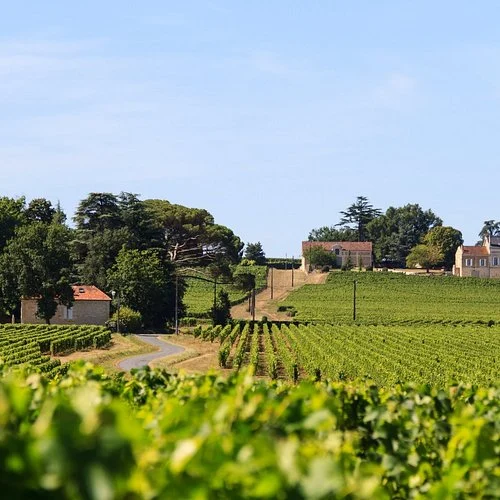
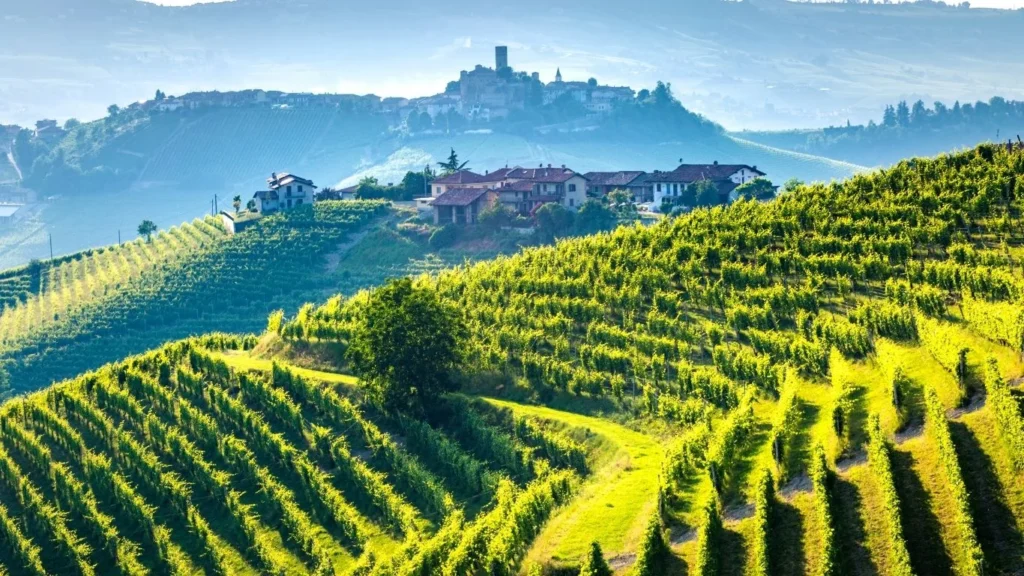
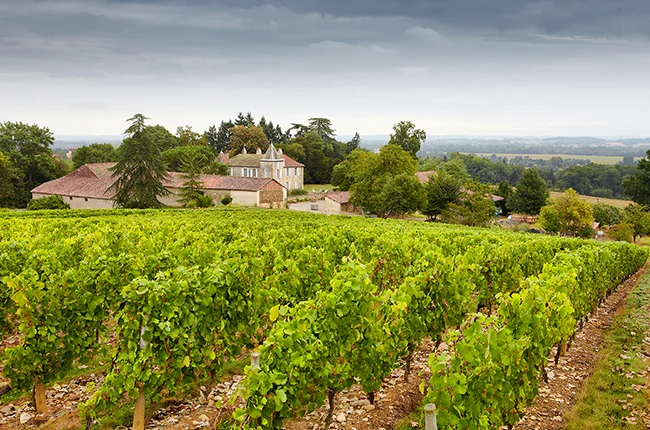
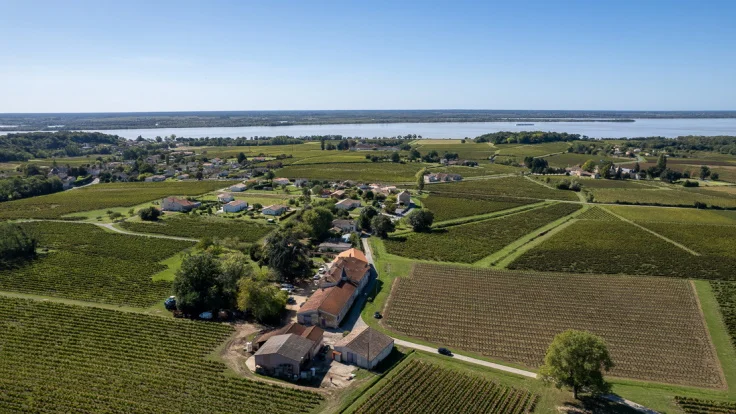
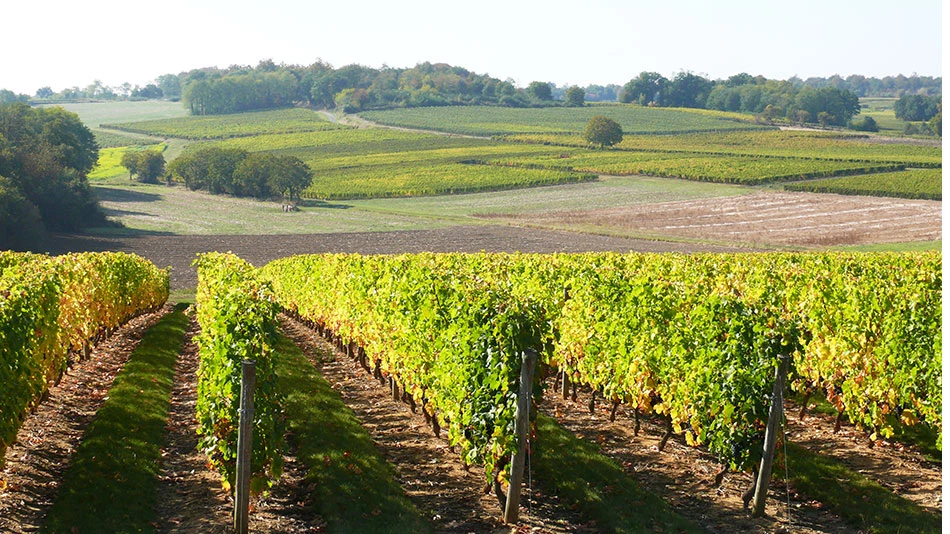
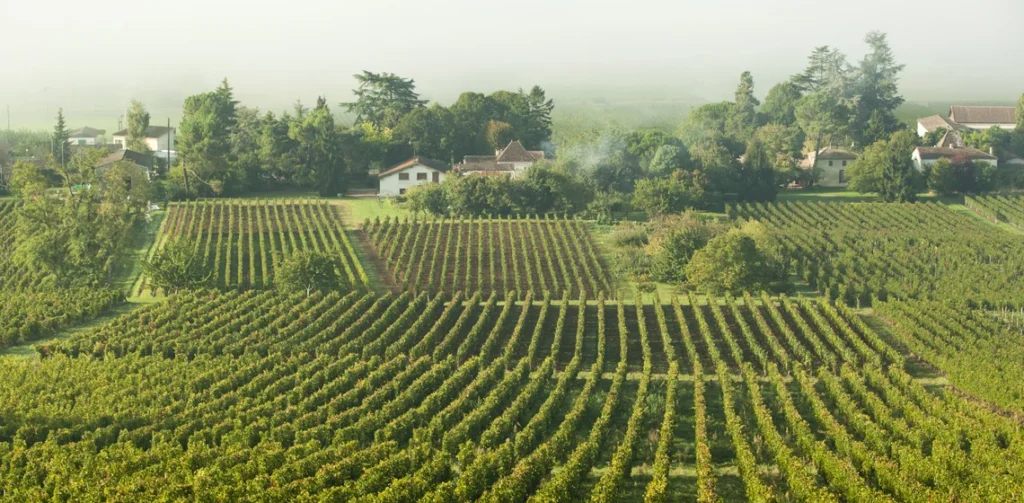
Saint-Émilion is one of Bordeaux’s most enchanting wine regions, celebrated for its scenic vineyards, medieval village, and outstanding wines. Located on Bordeaux’s Right Bank, Saint-Émilion is known for its Merlot-dominant blends, which produce wines of elegance, depth, and age-worthiness. This UNESCO World Heritage site holds a special place in the hearts of wine lovers and collectors alike. Let’s delve into what makes Saint-Émilion one of Bordeaux’s crown jewels.
The Geography and Terroir of Saint-Émilion
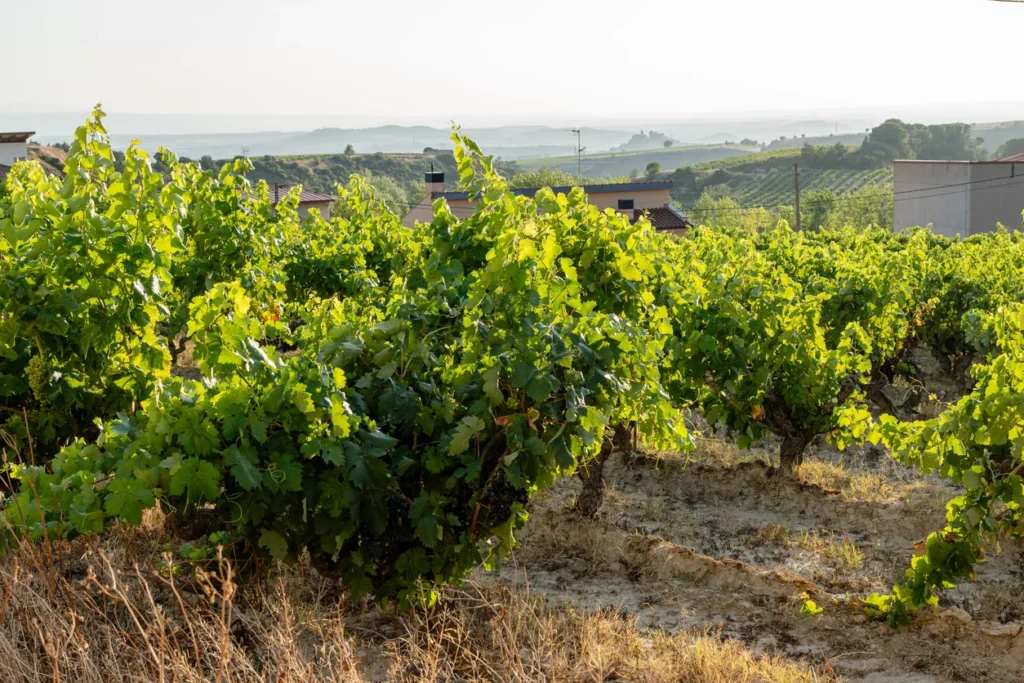
Situated to the northeast of Bordeaux, the Saint-Émilion wine region enjoys a temperate climate with a blend of warm summers and mild winters, ideal for growing its signature grape varieties. The region’s diverse terroir is one of its defining features, comprising a variety of soils including limestone, clay, and gravel.
- Limestone Plateau: This area produces some of Saint-Émilion’s most refined and elegant wines, known for their minerality and freshness.
- Clay and Gravel Slopes: These soils are ideal for Merlot, adding richness and complexity to the wines. The presence of Cabernet Franc in some blends adds structure and aromatic intensity.
This diversity in soil types results in a variety of wine styles, giving Saint-Émilion wines their unique character and aging potential.
Grape Varieties
Saint-Émilion is primarily known for its Merlot-dominant wines, which account for most of the vineyard plantings. However, Cabernet Franc also plays a crucial role in the blends, providing structure, aromatic complexity, and age-worthiness. Some estates incorporate a small percentage of Cabernet Sauvignon, though it is less common in this region compared to the Médoc on the Left Bank.
- Merlot: The star of Saint-Émilion, known for its lush, supple fruit, velvety texture, and soft tannins. Wines dominated by Merlot tend to be approachable earlier than their Left Bank counterparts but still have excellent aging potential.
- Cabernet Franc: Adds structure, spice, and aromatic depth to the blend, often contributing notes of red fruit, herbs, and floral elements.
Wine Classifications in Saint-Émilion
Unlike the Médoc’s 1855 classification, Saint-Émilion has its own classification system, which is revised approximately every 10 years to reflect changes in quality and reputation. The current system was last updated in 2012 and includes three main tiers:
- Premiers Grands Crus Classés A: The top tier, currently including Château Ausone and Château Cheval Blanc, known for producing some of the finest wines in the world. (Note: Château Angelus and Château Pavie were previously included in this category but opted to withdraw from the 2022 classification.)
- Premiers Grands Crus Classés B: This category includes other esteemed estates like Château Figeac and Château Canon, producing wines of remarkable depth and complexity.
- Grands Crus Classés: This classification encompasses a larger group of châteaux, offering excellent quality and value, reflecting the diversity and richness of the region.
The Saint-Émilion Grand Cru designation is also important to note, indicating a higher standard of wine production than the broader Saint-Émilion AOC. To achieve this status, wines must adhere to stricter production standards, including lower yields and longer aging requirements.
Notable Subregions
Within the larger Saint-Émilion appellation, there are several smaller areas of note, each contributing to the region’s diversity:
- Côte (Hillside): The vineyards on the limestone slopes produce wines with finesse, minerality, and great aging potential.
- Graves: Named for its gravelly soil, this area produces rich, structured wines with remarkable depth.
- Pomerol Border: Near the Pomerol appellation, wines from this area often exhibit the opulence and concentration characteristic of Pomerol wines.
Wine Styles
The wines of Saint-Émilion are known for their richness, complexity, and velvety texture. They typically exhibit flavors of black and red fruits (blackberries, plums, cherries), spice, and earthy undertones, with hints of chocolate and truffleas they age. Due to the predominance of Merlot, Saint-Émilion wines are often more approachable when young compared to the more tannic wines of the Left Bank. However, the best examples can age gracefully for decades, developing layers of complexity over time.
Notable Châteaux in Saint-Émilion
Saint-Émilion is home to some of Bordeaux’s most esteemed estates, several of which are represented in the Crystle collection:
- Château Ausone: One of the four original Premier Grands Crus Classés A, Château Ausone produces wines of extraordinary power and finesse, known for their ability to age for decades.
- Château Cheval Blanc: Another iconic estate, producing wines with a unique blend dominated by Cabernet Franc, offering floral notes, red fruit flavors, and remarkable complexity.
- Château Figeac: A Premier Grand Cru Classé B estate renowned for its balanced blend of Merlot, Cabernet Franc, and Cabernet Sauvignon, producing wines of elegance and structure.
Why Saint-Émilion Wines Are Special
- Diversity of Terroir: The varied soils of Saint-Émilion contribute to a range of wine styles, from mineral-driven wines to rich, opulent ones.
- Aging Potential: While approachable when young, the best Saint-Émilion wines can age for decades, developing complex layers of flavor.
- Rich History: The medieval village of Saint-Émilion and its surrounding vineyards have a history that dates back to Roman times, making it a region steeped in tradition and winemaking heritage.
- Unique Classification System: The Saint-Émilion classification is dynamic and revisited regularly, which helps to ensure that only the best estates receive recognition.
Collecting Saint-Émilion Wines
Saint-Émilion wines are highly collectible due to their reputation, complexity, and potential for long-term aging. They offer a range of styles, from approachable, fruit-forward bottles to more structured wines that can evolve over decades. Whether you are starting a collection or adding to an existing one, Saint-Émilion offers a wealth of options.
Notable Bottles at Crystle
At Crystle, we are proud to offer a curated selection of Saint-Émilion wines. Some highlights include:
- Château Cheval Blanc: An iconic estate producing some of the world’s finest wines, with the ability to age gracefully for decades.
- Château Ausone: A rare gem in the wine world, offering unmatched depth, power, and elegance.
- Château Figeac: A balanced blend showcasing the best characteristics of the region, with structure and complexity.
Saint-Émilion, with its historic vineyards, unique terroirs, and prestigious classification, stands as one of Bordeaux’s most treasured wine regions. Its Merlot-dominant wines, blended masterfully with Cabernet Franc, offer wine lovers a diverse range of flavors, textures, and aging potential. At Crystle, our selection of Saint-Émilion wines allows you to explore the magic of this renowned Bordeaux region.