Blog
Exploring the Wine Regions of Bordeaux: Grapes, Wines, and History


Bordeaux, located in southwestern France, is one of the world’s most renowned wine regions, producing some of the finest wines that have become a symbol of luxury and prestige. Bordeaux is divided into six primary wine regions, each with its own unique climate, terroir, and grape varieties, resulting in a diverse range of wines.
In this expert-led guide, we’ll explore the wine regions of Bordeaux, discussing the grape varieties grown in each area and the types of Bordeaux wines produced. We’ll also dive into the history and traditions that have shaped Bordeaux wine into the globally recognized standard of excellence it is today.
Section 1: Introduction to the Wine Regions of Bordeaux
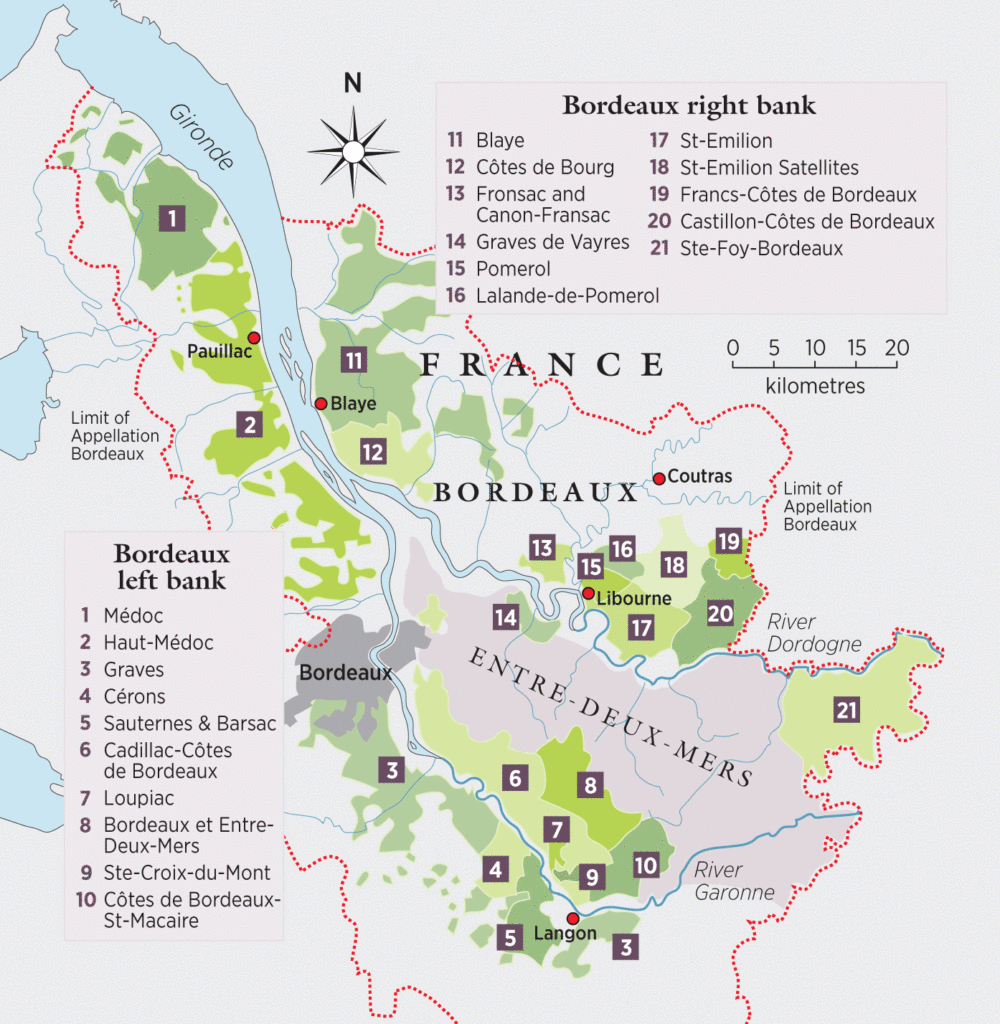
Bordeaux is divided into six primary wine regions, each with distinct characteristics that influence the wines produced. These regions are:
- Médoc: Located on the left bank of the Gironde estuary, the Médoc region is known for its full-bodied, tannic red wines, made primarily from Cabernet Sauvignon grapes.
- Graves: Located south of Bordeaux, Graves produces both red and white wines, with the former being dominated by Cabernet Sauvignon and Merlot grapes and the latter by Semillon and Sauvignon Blanc grapes.
- Saint-Émilion: Located on the right bank of the Dordogne River, Saint-Émilion produces Merlot-dominant wines that are softer and more approachable than those of the Médoc region.
- Pomerol: Pomerol is known for producing some of the most sought-after wines in the world, dominated by Merlot grapes and characterized by their silky texture and rich flavors.
- Fronsac: Located on the right bank of the Dordogne River, Fronsac produces a range of red wines, with Merlot grapes dominating the blends.
- Entre-Deux-Mers: The largest wine-producing area in Bordeaux, Entre-Deux-Mers produces a wide range of wines, including dry whites, sweet whites, and reds, with a mix of grape varieties used.
Section 2: The Grapes of Bordeaux
Bordeaux is known for its classic red wine blends, which typically include Cabernet Sauvignon, Merlot, Cabernet Franc, and Petit Verdot. Each wine region in Bordeaux has a unique blend and proportion of grapes used in winemaking. For example, wines from the Médoc region tend to be Cabernet Sauvignon-dominant, while those from Pomerol and Saint-Émilion are Merlot-dominant.
White wines from Bordeaux are typically made from Sauvignon Blanc, Semillon, and Muscadelle grapes. Sweet white wines, such as Sauternes, are made from grapes affected by noble rot, while dry whites are characterized by their crisp acidity and bright citrus flavors.
Section 3: The Wines of Bordeaux
Bordeaux produces a wide range of wines, from affordable everyday table wines to some of the most expensive and sought-after bottles in the world. The region is best known for its classic red wine blends, which are aged in oak barrels to impart flavors of vanilla, toast, and spice.
White wines from Bordeaux can be either dry or sweet, with the latter made from grapes affected by noble rot. These wines are often paired with desserts or enjoyed on their own as an aperitif.
Section 4: History and Tradition
Bordeaux has a rich history and tradition of winemaking that dates back centuries. Winemakers in Bordeaux have perfected their craft over generations, refining their techniques and methods to produce some of the world’s finest wines.
Bordeaux’s wine industry was established by the Romans, who recognised the region’s potential for producing high-quality wines. The region’s reputation continued to grow over the centuries, with the Bordeaux wine trade flourishing in the Middle Ages, thanks to the region’s location on the Garonne and Dordogne Rivers.
In the 17th and 18th centuries, the Bordeaux wine trade experienced significant growth, with the development of new shipping routes and the establishment of a classification system that recognized the region’s finest wines.
Today, Bordeaux continues to be a global leader in the wine industry, with winemakers embracing new techniques and technologies to create exceptional wines that are more accessible than ever before.