
Blog
Behind the Label: Understanding Wine Terminology and Labels

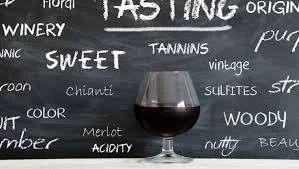
Navigating the world of wine can be daunting, especially when faced with a myriad of terms and labels. Whether you’re a seasoned connoisseur or a curious beginner, understanding wine terminology and how to read wine labels is crucial for making informed decisions. In this guide, we’ll demystify common wine terms and provide a clear roadmap for reading wine labels, helping you choose the perfect bottle with confidence.
Common Wine Terminology
- Appellation
- This refers to the specific geographic area where the grapes were grown. For example, Bordeaux, Champagne, and Burgundy are well-known appellations in France. The appellation often dictates the quality and characteristics of the wine.
- Vintage
- The vintage year indicates the year the grapes were harvested. This can affect the flavour and quality of the wine, as weather conditions vary from year to year.
- Terroir
- A French term that encapsulates the unique combination of soil, climate, and geography of a vineyard that influences the taste of the wine.
- Varietal
- This term refers to the type of grape used to make the wine, such as Cabernet Sauvignon, Chardonnay, or Merlot. Some wines are blends of multiple varietals.
- Body
- The body of a wine refers to its weight or fullness on the palate. Wines can be light-bodied, medium-bodied, or full-bodied.
- Tannins
- Tannins are naturally occurring compounds found in grape skins, seeds, and stems. They give wine its structure and astringency, often making it feel dry in the mouth.
- Acidity
- Acidity gives wine its crispness and liveliness. High acidity can make a wine taste tart, while low acidity can make it taste flat.
- Finish
- The finish is the aftertaste that lingers in your mouth after swallowing the wine. A long finish is often an indicator of a high-quality wine.
How to Read a Wine Label
Understanding a wine label is key to knowing what you’re purchasing. Here are the main elements you’ll find on most wine labels:
- Producer or Brand Name
- This is the name of the winery or the brand that produced the wine. It can give you an indication of the wine’s quality and reputation.
- Region/Appellation
- The region or appellation indicates where the grapes were grown. This can also provide clues about the wine’s style and quality.
- Vintage Year
- The year the grapes were harvested. Wines from exceptional vintages can often be more expensive and sought after.
- Grape Variety (Varietal)
- Indicates the type of grape used. If a wine is a blend, it may list multiple varietals.
- Alcohol Content
- This is usually stated as a percentage and can affect the wine’s taste and body. Higher alcohol content often means a fuller-bodied wine.
- Quality Designations
- Terms like “Reserve,” “Grand Cru,” “Premier Cru,” or “DOCG” indicate higher quality wines. These terms vary by country and are often regulated.
- Producer’s Address
- The address of the winery, which can sometimes include information about the vineyard.
- Volume
- The amount of wine in the bottle, typically stated in millilitres (ml).
Example Breakdown of a French Wine Label
Let’s break down a label from a bottle of Bordeaux:
- Château Margaux: The producer’s name.
- Appellation Margaux Contrôlée: The specific appellation within Bordeaux.
- 2015: The vintage year.
- Grand Cru Classé: A quality designation from the 1855 Classification.
- 13.5% vol: The alcohol content.
Making Informed Choices
Armed with this knowledge, you can approach wine selections with greater confidence. Whether you’re exploring new varietals or sticking to tried-and-true favourites, understanding wine labels and terminology will enhance your wine-buying experience.
At Crystle, we offer a curated selection of fine wines, each accompanied by detailed descriptions to help you make the best choice. Visit us today and discover the perfect bottle to suit your palate.