
Blog
The History and Legacy of Bordeaux Wines

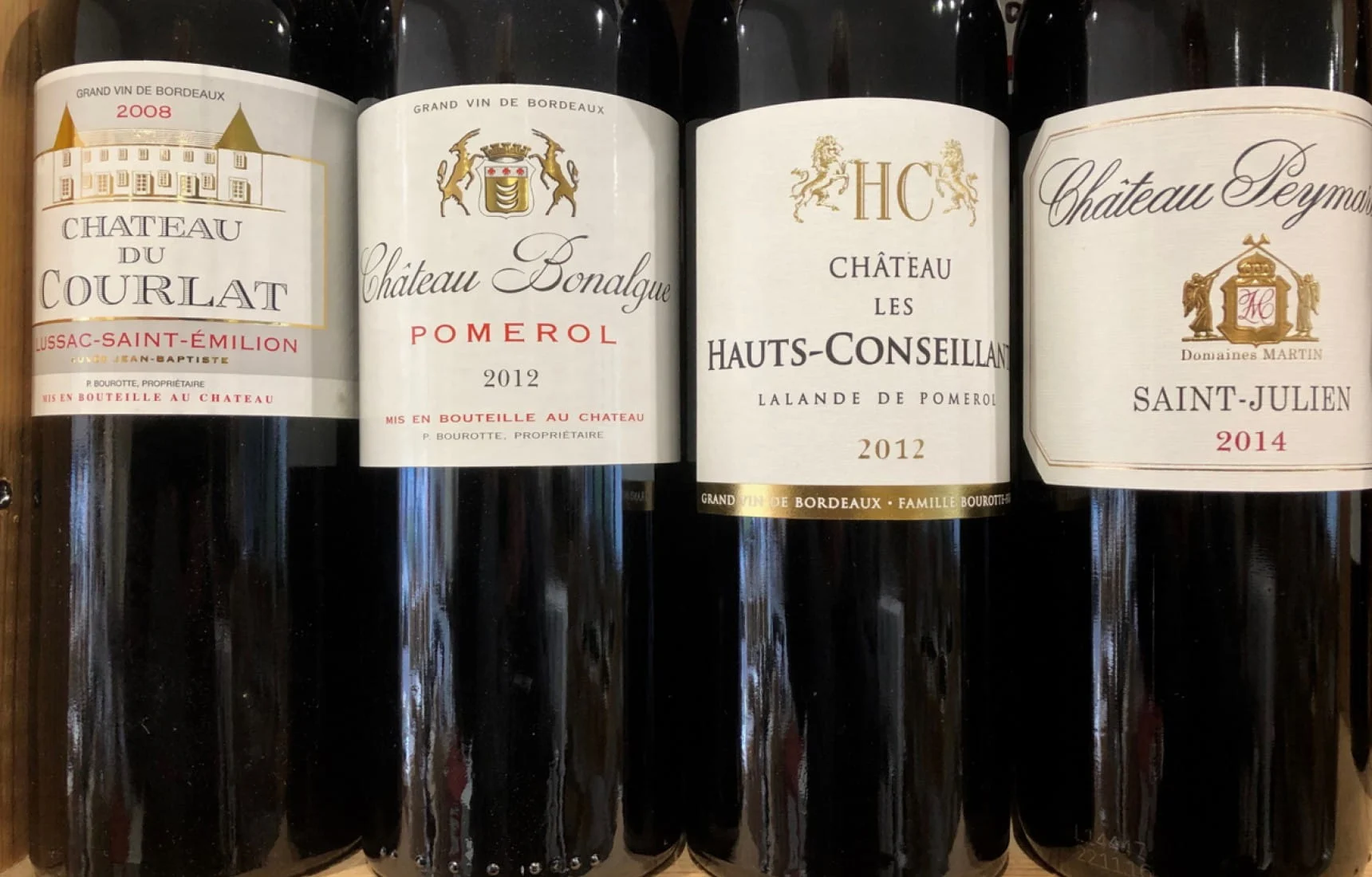
Bordeaux, a name synonymous with elegance and tradition in the world of wine, boasts a rich history that stretches back over two millennia. The region’s legacy is not just a tale of vineyards and vintages, but a chronicle of cultural evolution, economic power, and global influence. Join us as we delve into the fascinating history of Bordeaux wines, exploring their evolution, significance, and some notable bottles you can find at Crystle.
The Beginnings: Roman Roots
The history of Bordeaux wine dates back to around 60 BC, when the Romans planted the first vineyards. The region’s perfect terroir – a combination of climate, soil, and topography – proved ideal for viticulture. The Garonne River provided easy access for trade, allowing Bordeaux wines to gain early recognition beyond local boundaries.
Medieval Expansion and the English Connection
Bordeaux’s wine industry flourished during the Middle Ages, particularly after the marriage of Eleanor of Aquitaine to Henry Plantagenet (later Henry II of England) in 1152. This union brought Bordeaux under English control, significantly boosting wine exports to England. By the 14th century, Bordeaux had become the primary wine supplier to the English market, a relationship that deeply influenced the region’s viticultural practices and grape selections.
The Rise of the Château System
The 17th and 18th centuries marked the rise of the château system, a turning point in Bordeaux’s wine production. Wealthy landowners began investing in vineyards, establishing estates that produced wines under the château name. This period also saw the introduction of important grape varieties like Cabernet Sauvignon, Merlot, and Cabernet Franc, which are now staples of Bordeaux blends.
The 1855 Classification
One of the most significant events in Bordeaux’s wine history was the 1855 Classification, commissioned by Emperor Napoleon III for the Paris Exposition. This ranking system classified the region’s best wines into five categories, known as growths or “crus.” The classification has largely remained unchanged and still plays a crucial role in Bordeaux’s wine prestige and market dynamics.
Modern Innovations and Global Influence
The 20th and 21st centuries brought technological advancements and globalization, further cementing Bordeaux’s status as a leader in the wine world. Modern winemaking techniques, combined with the region’s dedication to quality, have kept Bordeaux at the forefront of wine innovation. Today, Bordeaux wines are celebrated globally, with collectors and enthusiasts seeking out both historical vintages and contemporary masterpieces.
Notable Bottles at Crystle
At Crystle, we take pride in offering an exceptional selection of Bordeaux wines, each representing the rich legacy and refined quality of the region. Here are a few standout bottles from our collection:
- Château Margaux 2015 – A First Growth wine, renowned for its elegance and complex flavors, embodying the quintessential qualities of Bordeaux.
- Château Lafite Rothschild 2010 – Another First Growth gem, this wine is celebrated for its depth, balance, and aging potential.
- Château Palmer 2016 – Known for its opulence and rich texture, Château Palmer is a Third Growth that consistently rivals the Firsts in quality.
- Château Pétrus 2018 – A legend from Pomerol, not included in the 1855 Classification but universally acknowledged for its luxurious, velvety character.
- Château Haut-Brion 2012 – A unique First Growth from Graves, offering a distinct, smoky profile and exceptional longevity.
The Legacy Continues
The story of Bordeaux wines is one of enduring legacy and continual evolution. From Roman vineyards to modern global acclaim, Bordeaux remains a beacon of excellence in the world of wine. At Crystle, we are honoured to share these remarkable wines with our customers, inviting you to experience the rich history and unparalleled quality of Bordeaux.
For those eager to explore the fascinating world of Bordeaux wines, our selection offers both historical icons and contemporary treasures, each bottle a testament to the region’s storied past and vibrant future.